“Should I use temporary fencing or post-driven fencing?”
That’s a question we hear a lot from those planning an event space, construction site or long-term project.
While both options provide site control, safety and security, they’re designed for very different situations. And the type of fencing you choose can impact everything project costs and setup speed to security and long-term durability.
Below, the pros here at Proper Site Services will break down all the differences between temporary fencing and post-driven fencing so you can determine which solution makes the most sense for your project in Arizona.
What Is Temporary Fencing?
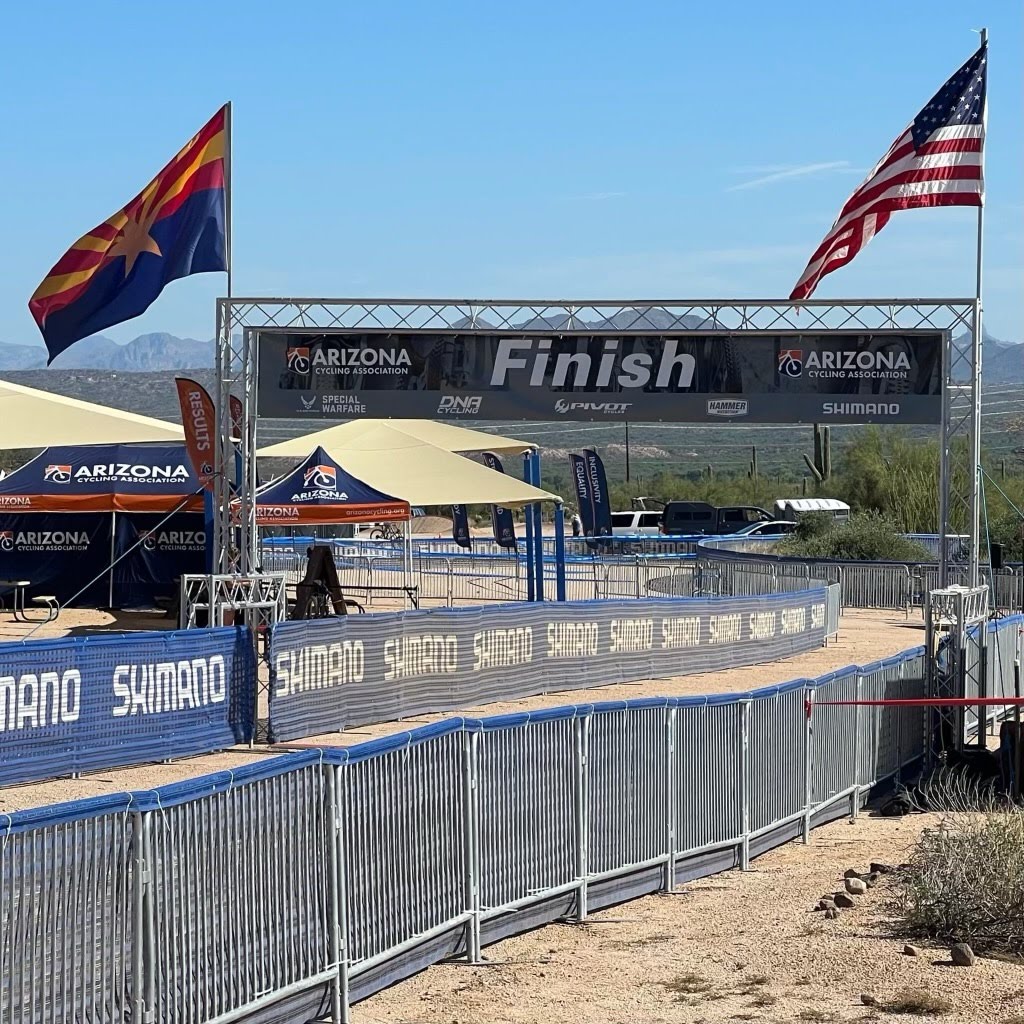
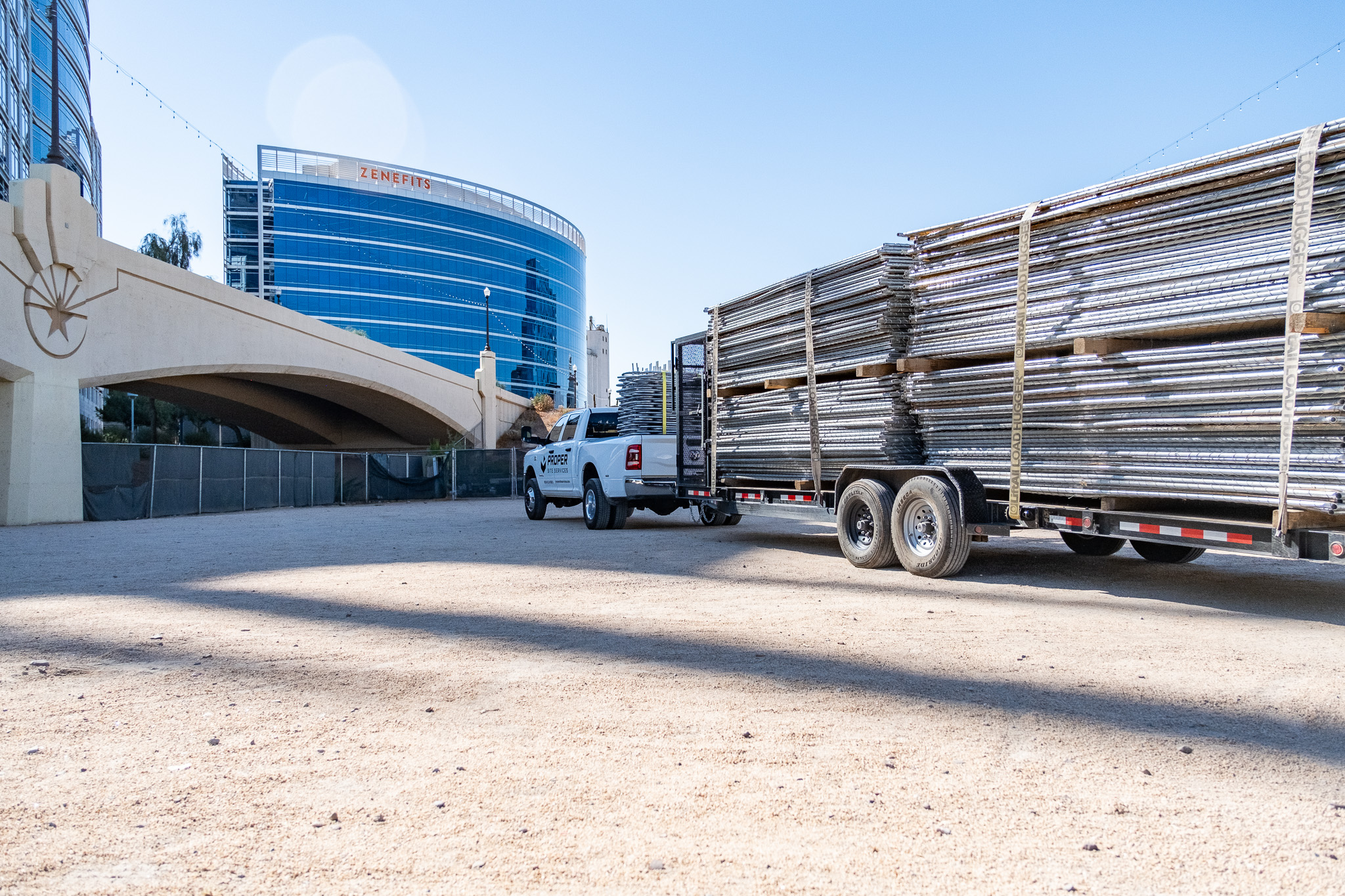
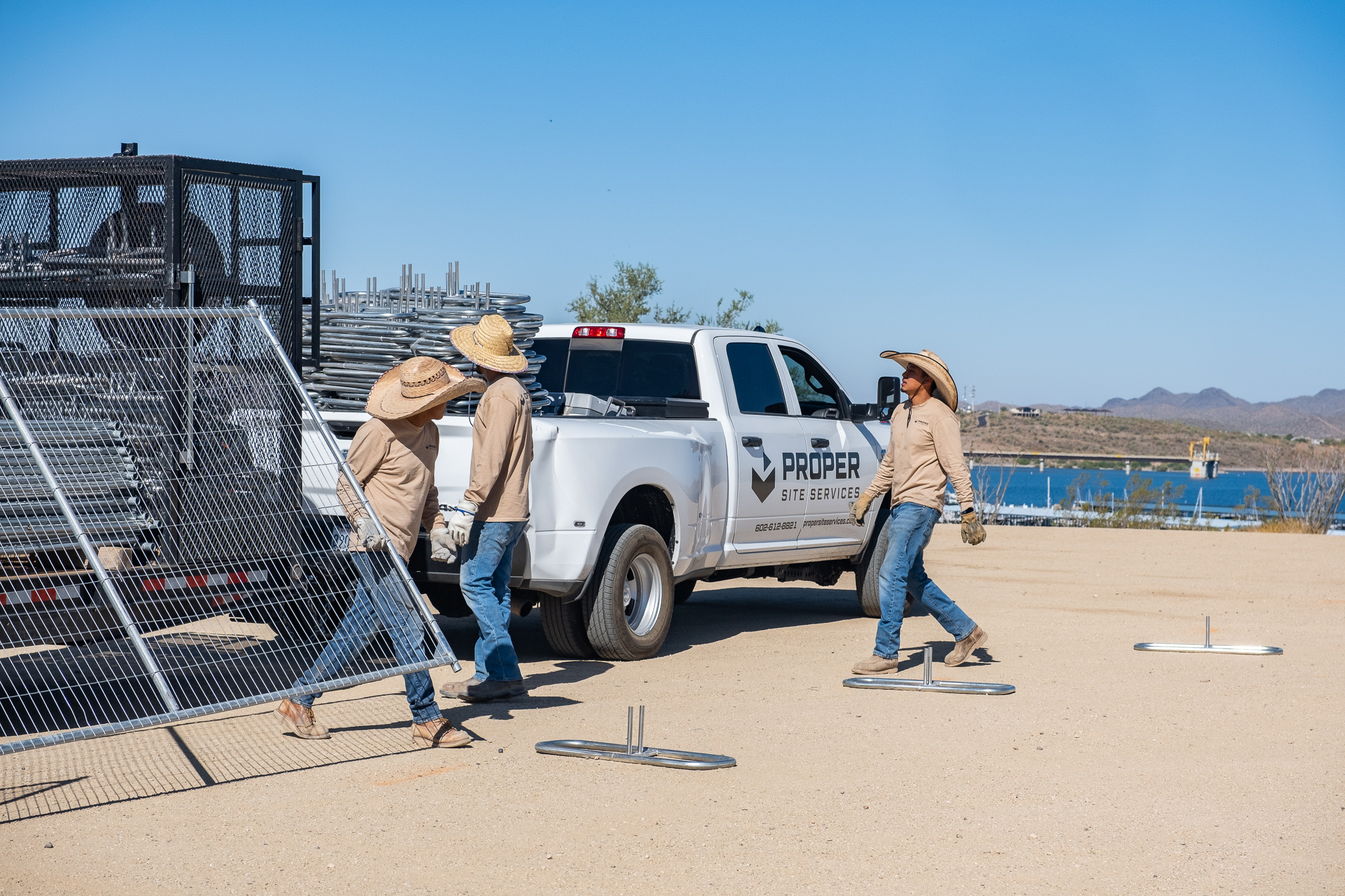
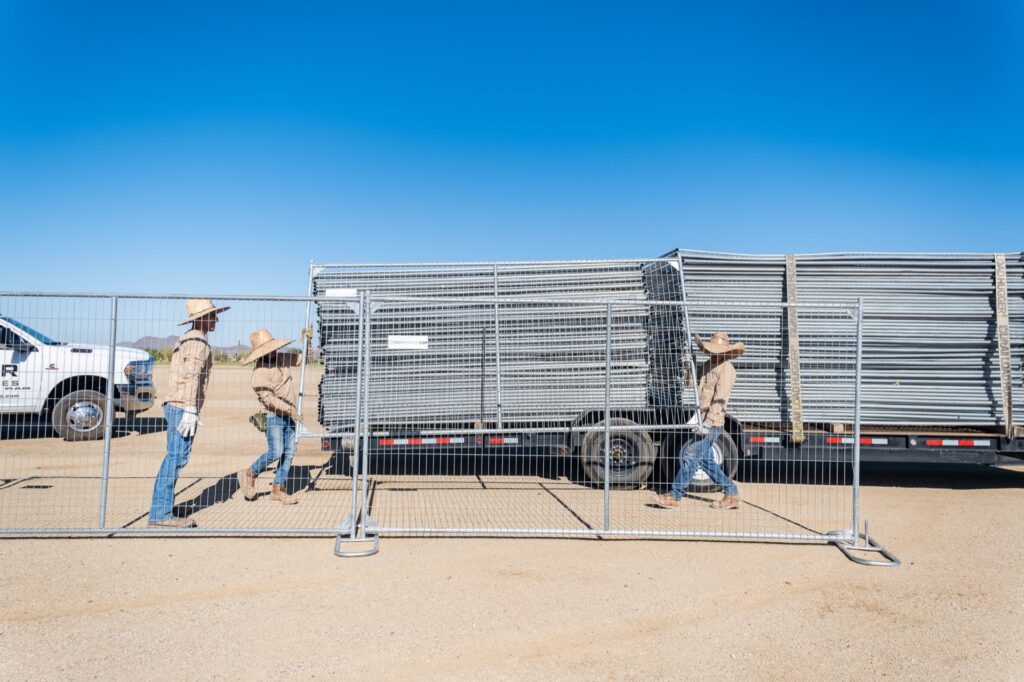
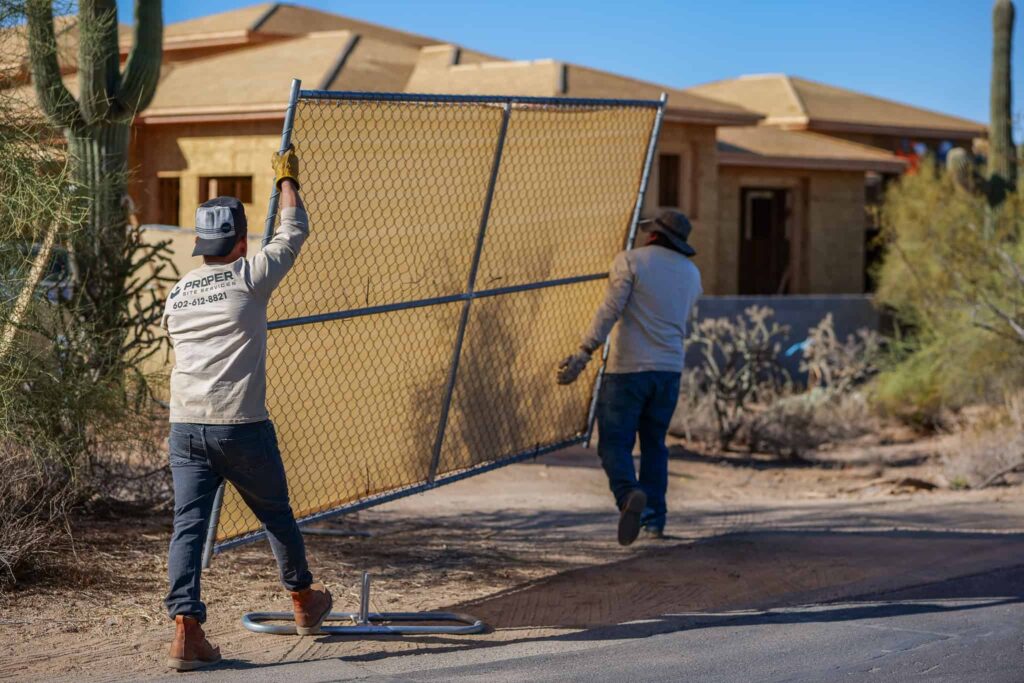
Temporary fencing uses freestanding fence panels connected with clamps and weighted stands. These panels are designed for easy removal, flexible layouts and quick installation.
At Proper Site Services, temporary fence panels are available in:
- 6×12 ft panels
- 8×12 ft panels
- Optional privacy screens
Temporary fencing is commonly used for:
- Construction sites
- Outdoor events
- Emergency response setups
- Residential projects
- Short-term security needs
One of the biggest advantages of temporary fencing is speed. It can often be installed quickly and adjusted if/when your project needs change.
What Is Post-Driven Fencing?
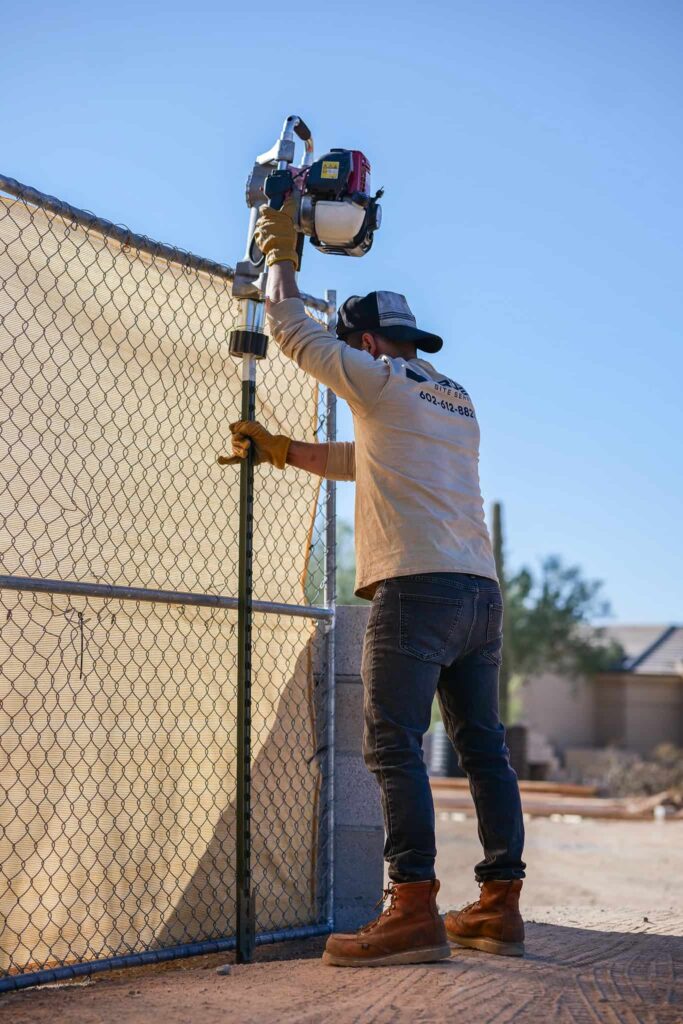
Post-driven fencing is a much more permanent and secure fencing solution. As opposed to freestanding panels, steel posts are hydraulically driven directly into the ground.
These posts are typically:
- Spaced 10-12 feet apart
- Driven 16-20 inches into the ground
This creates a much stronger and stable barrier than standard temporary fencing.
Post-driven fencing is commonly used for:
- Long-term construction projects
- High-security sites
- Schools and municipalities
- Commercial developments
- Projects exposed to high winds and/or difficult conditions
Because the fence is anchored into the ground, it provides much greater durability and resistance to movement.
Temporary Fencing vs. Post-Driven Fencing: Installation Speed
Temporary Fencing
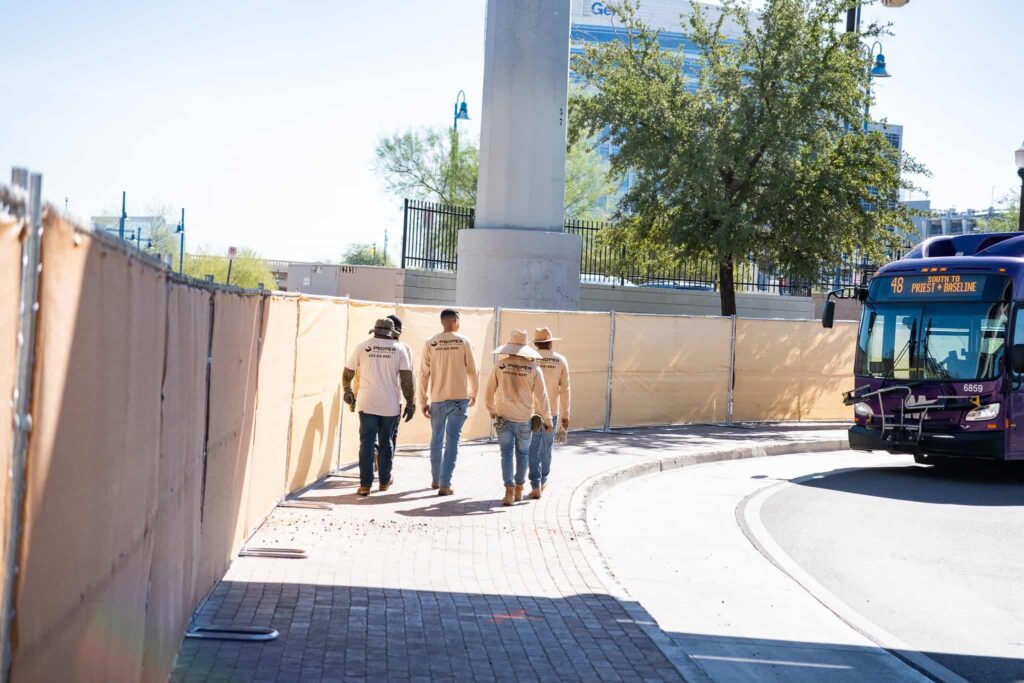
Temporary fencing is usually the much faster option.
Because the panels are freestanding, crews can install and remove them quickly without disturbing the ground surface.
This makes it ideal for:
- Fast-moving projects
- Short-term rentals
- Emergency setups
- Events with tight timelines
Post-Driven Fencing
Post-driven fencing takes more time to install because each post must be hydraulically driven into the ground.
However, the added installation time results in:
- Better stability
- Stronger perimeter protection
- Longer-lasting performance
Which Option Is More Secure?
Temporary Fencing
Temporary fencing provides effective site control and basic perimeter security, especially for:
- General construction sites
- Crowd control
- Equipment staging
- Event boundaries
Privacy screens can also be added to reduce visibility into the site.
Post-Driven Fencing
When security is the priority, post-driven fencing is the better choice.
Because the fence is physically anchored into the ground, it is:
- Harder to move
- More resistant to tampering
- Better in windy environments
- More secure for long-term projects
For higher-risk projects or sensitive job sites, post-driven fencing is often the preferred solution.
Which Fence Type Works Best for Long-Term Projects?
Temporary Fencing
Temporary fencing is great for:
- Short-term construction
- Seasonal projects
- Temporary event spaces
- Residential builds
If your project timeline is relatively short or the site layout may change frequently, temporary fencing is the way to go.
Post-Driven Fencing
For projects lasting several months or longer, post-driven fencing is the better investment.
It provides:
- Greater durability
- Reduced movement over time
- Better long-term site security
- Cleaner overall appearance
Large commercial projects and municipal jobs commonly use post-driven fencing because it holds up much better throughout extended timelines.
Cost Considerations
In general:
Temporary Fencing
- Lower upfront installation costs
- Faster setup and removal
- More flexible for changing layouts
Post-Driven Fencing
- Higher installation cost
- Greater long-term durability
- Better value for extended projects
When considering your options, the right choice depends on:
- Project duration
- Security needs
- Ground conditions
- Budget
- Site layout
A short-term project may not need the added strength of post-driven fencing, while a long-term commercial build may benefit from the additional security and stability.
Which Fence Type Is Best for Arizona Conditions?
Arizona weather and soil conditions can play a big role in fencing performance.
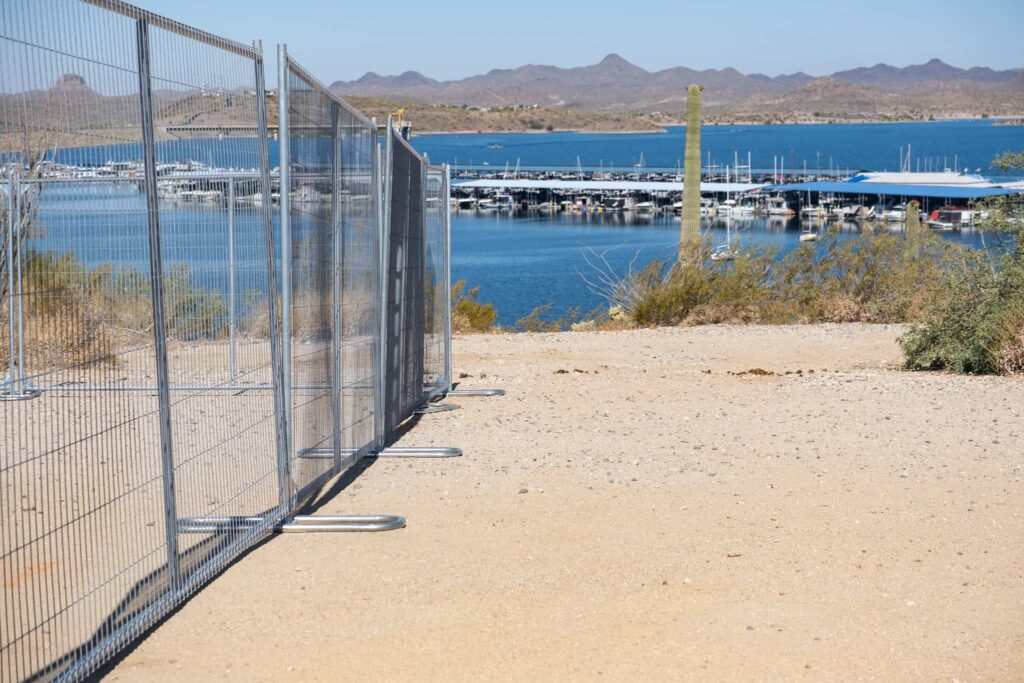
Temporary fencing works well in many situations, but long-term exposure, high winds and uneven terrain can make post-driven fencing the better option in the desert.
Because post-driven fencing is anchored directly into the ground, it generally performs better in windy spots, open deserts and large commercial developments.
How to Choose the Right Fence for Your Project
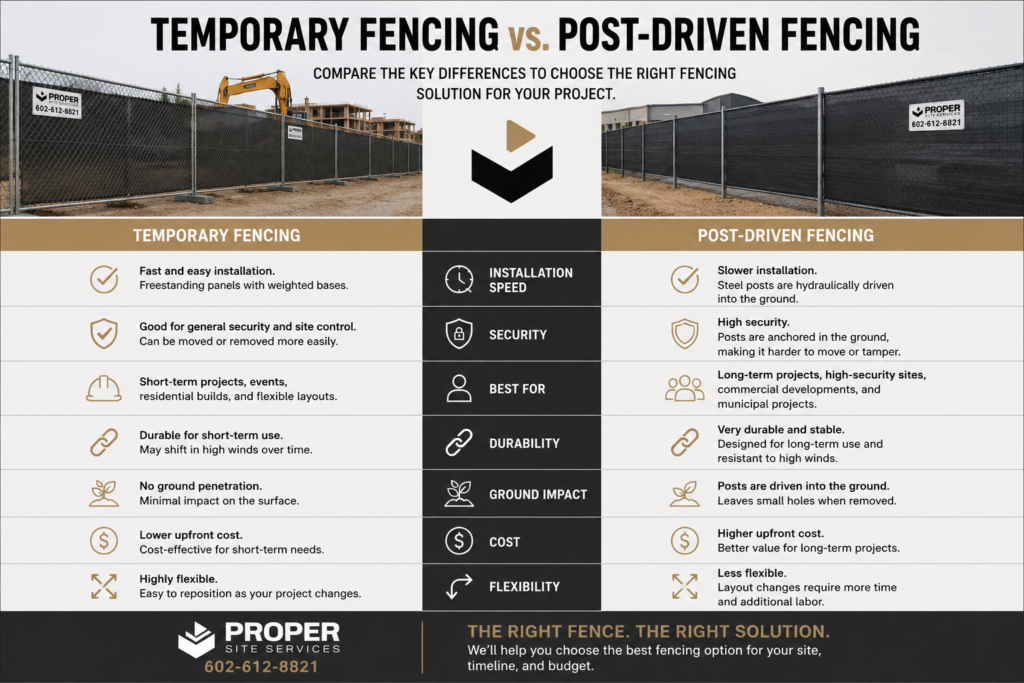
In conclusion:
Temporary Fencing Is Best For:
- Short-term projects
- Fast installation
- Flexible layouts
- Events and crowd control
- Residential construction
Post-Driven Fencing Is Best For:
- Long-term projects
- Higher security needs
- Wind-prone areas
- Commercial developments
- Municipal projects
Get a Temporary Fencing Quote in Arizona
At Proper Site Services, we help contractors, property owners, event organizers and municipalities determine the best fencing setup based on:
- Project length
- Security needs
- Site conditions
- Budget
- Timeline
Whether you need fast temporary fencing installation or a long-term post-driven fencing solution, our team can help you get the job done quickly and professionally.
Call (602) 612-8821 or request a free quote on temporary fencing or post-driven fencing anywhere in Arizona today.